

Every house has its quirks. While flat walls and square dimensions make interior design straightforward, most homes feature irregular spaces that require a bit more thought. The hidden potential of alcoves transforming nooks with fitted furniture is a concept that every homeowner should explore. Whether you live in a modern build or a property packed with period features, finding ways to maximise storage is always a priority. This guide will show you how to turn wasted space into stunning, functional areas that enhance the entire room.
Why Alcoves Matter For Built In Storage
Alcoves are those recessed sections of a room, often found on either side of a chimney breast. They represent a fantastic opportunity for clever use of space. Instead of leaving them empty or awkwardly placing standard furniture inside, you can use these areas to create bespoke solutions that fit perfectly.
Defining the Alcove Space
Amy from Nankivells, “An alcove is simply a recess in a wall. In many homes, especially older properties, they naturally occur when a fireplace is built into the room.” This architectural feature creates two distinct pockets of space. Leaving this unused space empty is a missed opportunity. By installing alcove wardrobes or alcove cupboards, you capture precious floor space that would otherwise go to waste.
Common Locations and the Chimney Breast Challenge
The most common location for an alcove is flanking a chimney breast. While a fireplace creates a beautiful focal point, the recesses on either side can be tricky areas to furnish. A standard wardrobe rarely fits properly, often leaving awkward corners that collect dust. This is where fitted wardrobes make sense. They navigate the chimney breast perfectly, providing tailor made storage that blends seamlessly with the room’s architecture.
Design Style: Choosing a Look For Fitted Wardrobes

When investing in bespoke wardrobes, selecting the right design style is crucial. Your new storage should complement the existing decor and enhance the overall aesthetic of the house.
Embracing a Minimalist Approach
A minimalist design style relies on clean lines and uncluttered surfaces. For modern homes, fitted wardrobes with flat-panel doors and handleless opening mechanisms create a sleek, streamlined look. Choosing high gloss finishes can reflect light around the room, making the space feel larger. If you want a simple design, this approach keeps the focus on the architecture rather than the furniture.
Honouring Traditional Period Features
If your home boasts original period features like ornate cornicing or deep skirting boards, your fitted wardrobes should reflect this heritage. Shaker-style door styles with elegant handles work beautifully. Traditional alcove wardrobes often feature detailed framing that makes the new storage look as though it has always been part of the interior.
Matching Your Room’s Palette
Your chosen finish must harmonise with the rest of your decor. A popular choice is light grey, which offers a soft, contemporary feel without dominating the space. By matching the wardrobe colour to your walls, the heavy storage units seemingly disappear, creating a calm and cohesive room.
Alcove Fitted Wardrobes: Measurements and Layouts
Before any wood is cut, precise planning is essential. Proper measurements ensure your alcove fitted wardrobes will fit perfectly.

A Complete Measurement Checklist
To ensure your fitted storage makes the most of the available space, follow this measurement checklist:
- Measure the width of the alcove at the top, middle, and bottom.
- Measure the height from the floor to the ceiling.
- Measure the depth of the alcove to ensure standard hanging rails will fit.
- Note the position of any plug sockets, skirting boards, or picture rails.
Handling Uneven Walls
In older homes, walls are rarely perfectly straight. Professional installers account for tolerances by using scribe panels. These panels are cut on-site to match the exact contours of the wall, ensuring the fitted wardrobes sit flush without any unsightly gaps.
Layout Ideas for Common Sizes
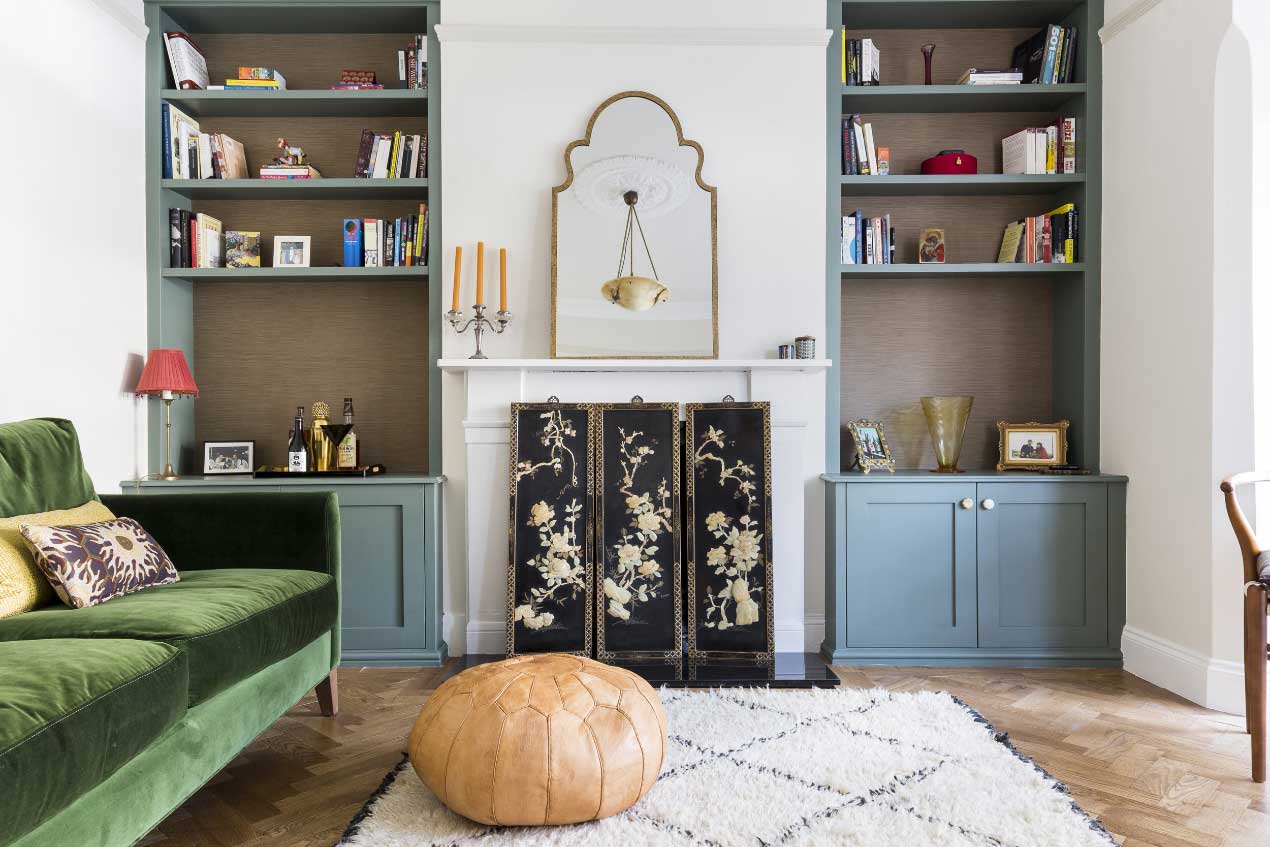
For narrow living room alcoves, a combination of lower alcove cupboards and upper shelving works best. For deeper recesses in a bedroom, you can install floor to ceiling fitted wardrobes. Understanding the dimensions of your alcove space dictates the most practical storage layout.
Wardrobes Around A Chimney Breast
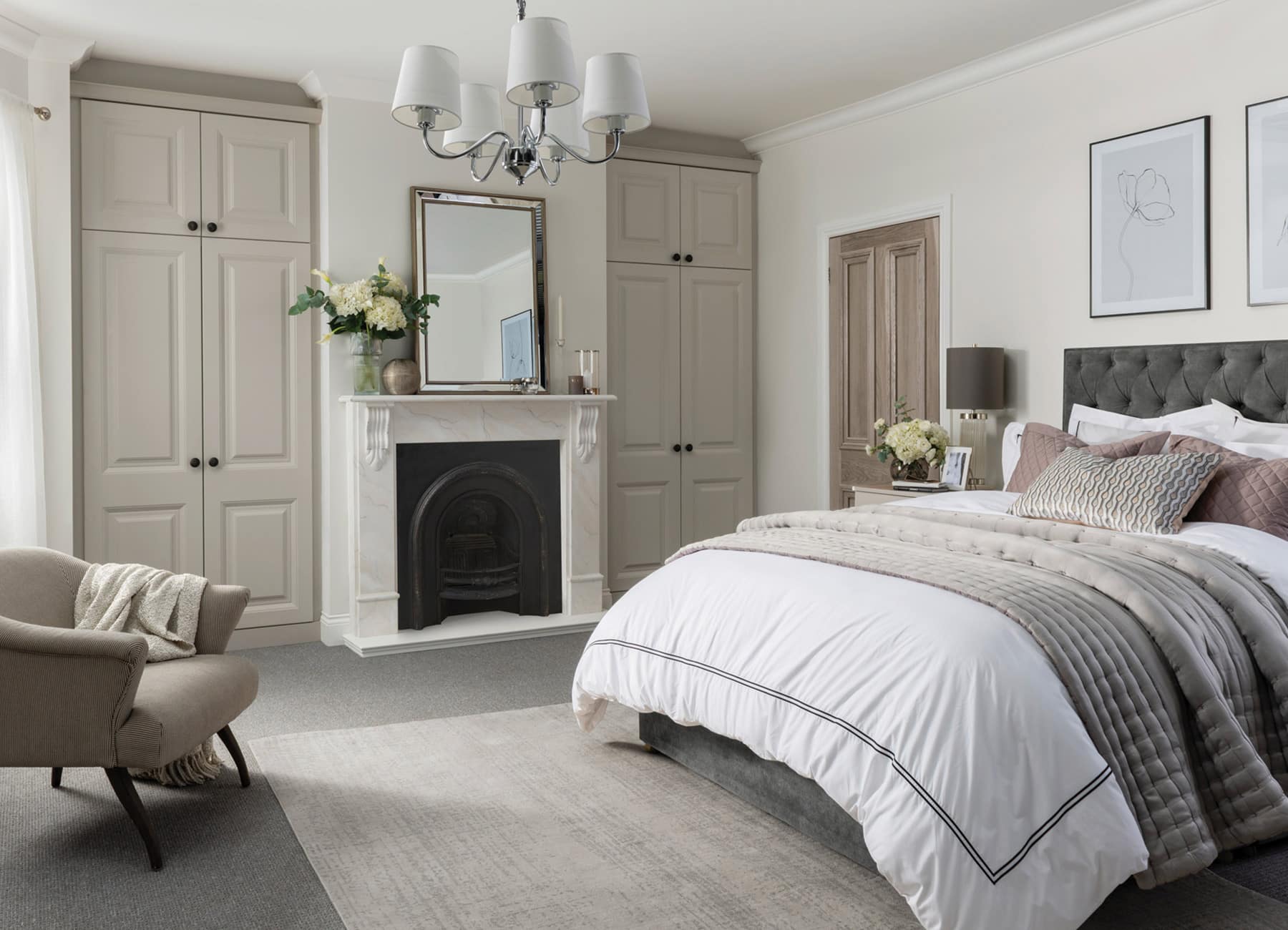
The chimney breast is a defining feature in many rooms. Working with it, rather than against it, yields the best results.
Symmetrical Fitted Storage
Installing symmetrical alcove wardrobes on both sides of a chimney breast brings balance to the room. Symmetrical fitted wardrobes create a sense of order and elegance. The uniform look draws the eye to the central fireplace, maintaining it as the primary focal point.
Central Shelving Above the Fireplace
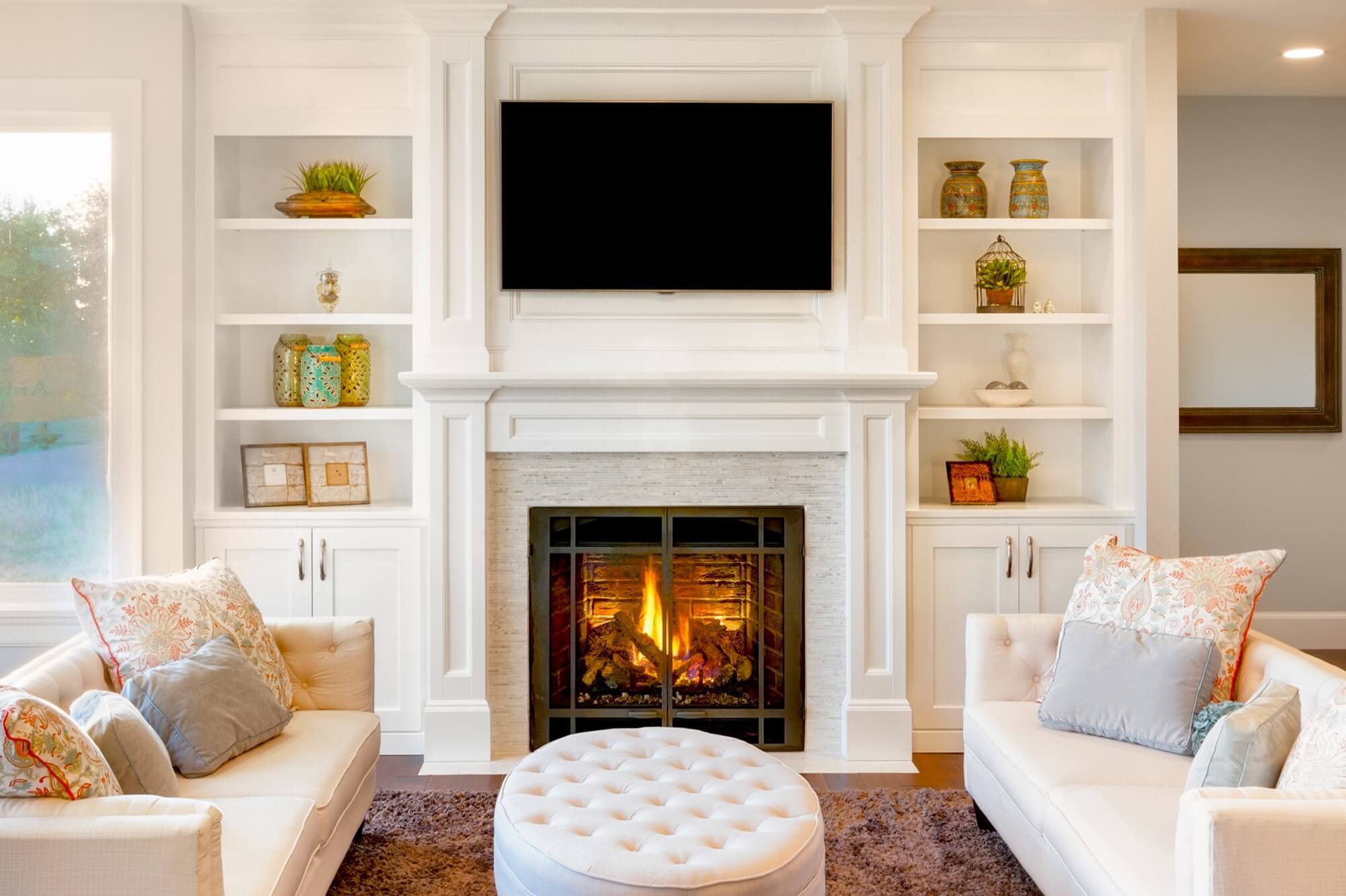
If the chimney breast itself allows, adding central shelving above the fireplace can complement your alcove cupboards. This is a perfect place to display art, photographs, or a mirror, bridging the gap between the two storage units.
Fitted Alcove For Sloped Ceilings
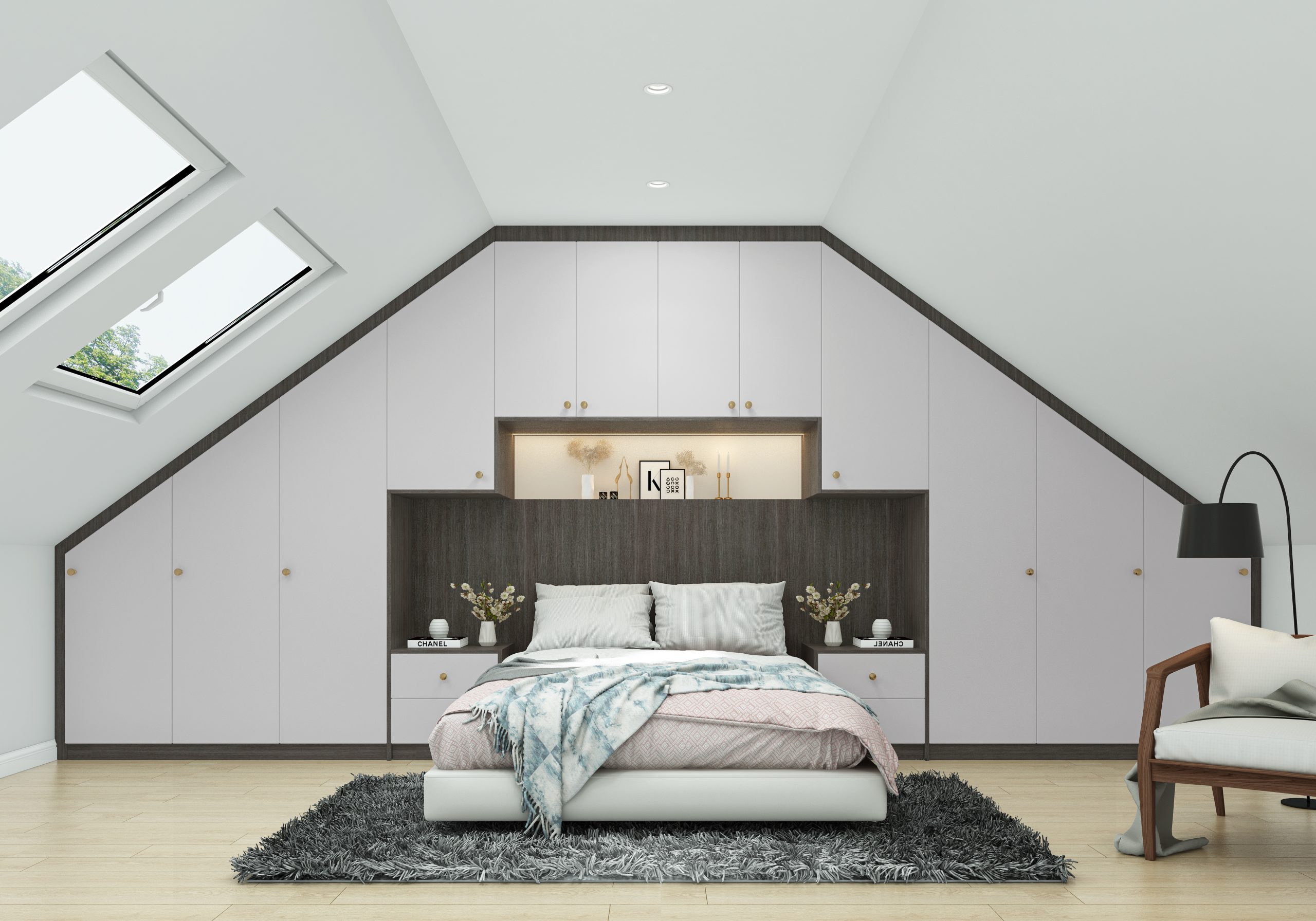
Loft conversions and upstairs bedrooms often feature sloped ceilings, presenting unique design challenges.
Strategies for Angled Roofs
A fitted alcove beneath a sloped ceiling requires bespoke solutions. Standard furniture simply cannot accommodate the changing height. By choosing fitted wardrobes, the doors and interior framing are angled to follow the exact pitch of the ceiling, capturing every inch of available space.
Maximising Low Headroom

Where the ceiling drops low, tall hanging rails are impractical. Instead, utilise this tricky area by installing deep drawers or shoe racks. This ensures the lowest part of the room still provides highly functional storage.
Sliding Doors And Tight Spaces
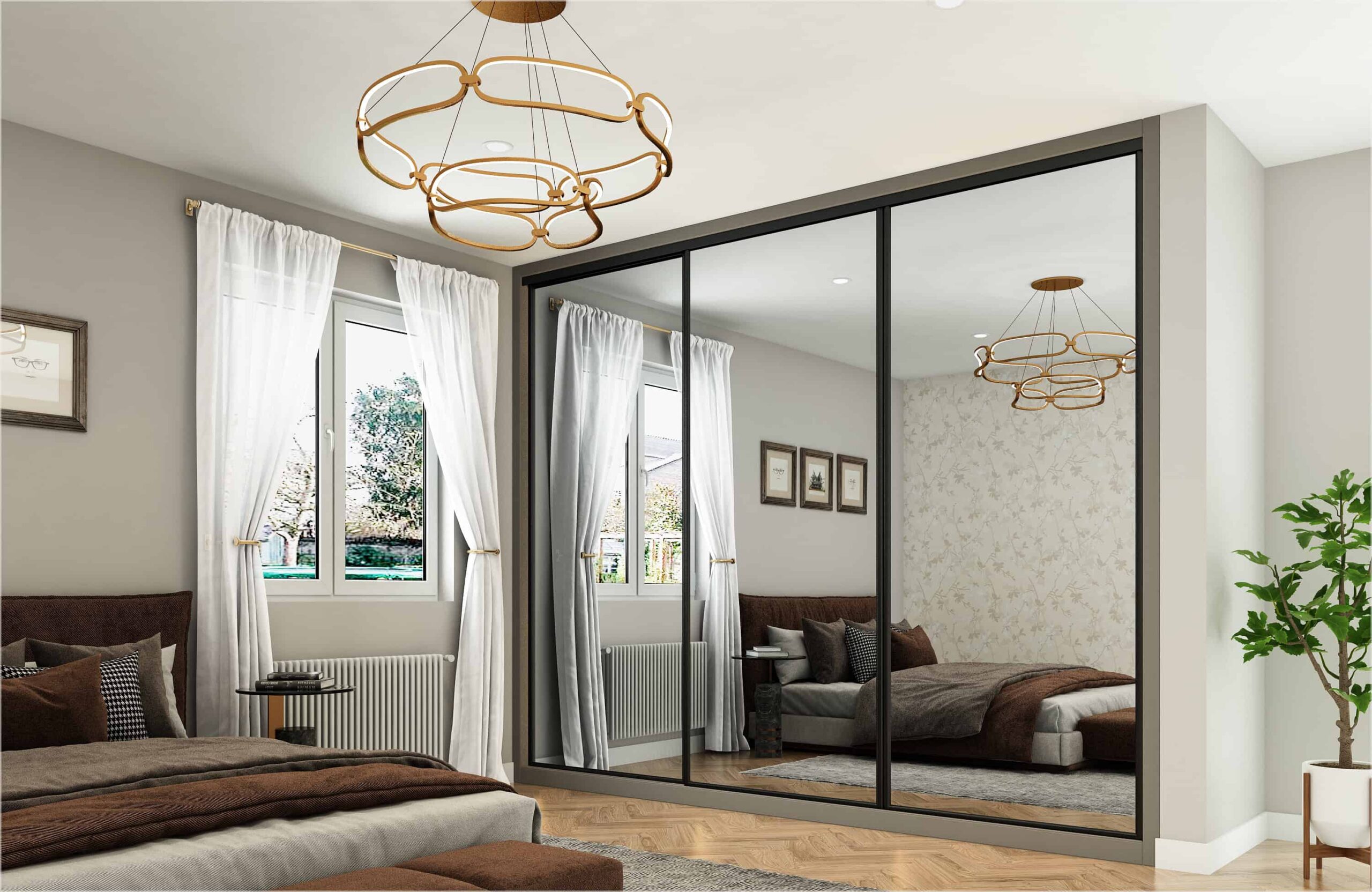
In smaller rooms, the way you access your storage is just as important as the storage inside.
Sliding vs Hinged Options
When floor space is limited, traditional hinged doors can bump into beds or other furniture. Sliding doors solve this problem entirely. Because they glide along tracks, they require zero clearance to open, making them ideal for tight spaces.
Using Mirrors to Expand the Room
To further enhance a small room, opt for mirrored sliding doors on your fitted wardrobes. Mirrors bounce natural light around the interior, instantly making the room feel brighter and doubling the perceived depth of the space.
Alcove Cupboards, Floating Shelves, And Other Fitted Furniture
Not every alcove needs a full wardrobe. Sometimes, a mix of storage types serves the room’s design better.
The Case for Alcove Cupboards
Alcove cupboards are perfect for hiding away clutter. In living room alcoves, they provide an excellent place to store media units, children’s toys, or paperwork. The closed doors keep the room looking tidy and organised.
Styling Floating Shelves
Above your alcove cupboards, floating shelves offer a lighter alternative to bulky upper cabinets. Floating shelves provide an airy feel and give you a platform to display books, plants, and decorative items.
Balancing Open and Closed Storage
The most successful living room layouts balance open and closed storage. You hide the messy items in the cupboards below and showcase your favourite pieces on the open shelves above. This makes sense both practically and aesthetically.
Create A Dressing Room With Built In Wardrobes
If you have a particularly deep or wide alcove, you can unlock its full potential by turning it into a mini dressing room.
Converting the Alcove
To create a dressing room, you need to dedicate the entire alcove space to clothing storage. Use floor to ceiling built in wardrobes to maximise storage capacity. By wrapping the storage around the contours of the alcove, you create a distinct zone dedicated entirely to getting ready.
Lighting and Mirror Placement
A luxurious feel relies heavily on good lighting. Include integrated lighting inside the wardrobes so you can easily see your clothes. Place a tall, well-lit mirror on an adjacent wall or on the wardrobe doors to complete the dressing area.
Zoning for Hanging Rails and Shoe Racks
Divide the interior of the wardrobes into specific zones. Allocate tall sections for long dresses and coats using high hanging rails. Dedicate the lower sections to pull-out shoe racks and deep drawers for folded items. Proper zoning ensures everything has a designated home.
Built In Vs Freestanding: Choosing A Fitted Wardrobe
[Image: A side-by-side comparison showing a standard standalone wardrobe next to a bespoke fitted wardrobe]
Homeowners often debate whether to buy a standalone wardrobe or invest in fitted wardrobes.
The Benefits of Built In Wardrobes
Built in wardrobes offer unparalleled advantages. They are made to measure, meaning they utilise all available space from the floor to the ceiling. Because they are fixed to the wall, they offer maximum stability. Most importantly, built in storage blends into the room’s design, creating a seamless, high-end finish that standard furniture cannot match.
The Drawbacks of Standalone Wardrobes
A standalone wardrobe leaves gaps. There is always a gap above it, gathering dust, and gaps beside it, which become wasted space. In an alcove, a freestanding piece often looks awkwardly placed, highlighting the irregular shape of the wall rather than solving it.
Installation, Costs, And Professional Fitters
Investing in bespoke wardrobes requires careful planning regarding budget and installation.
Budgeting for Bespoke Solutions
Bespoke solutions cost more than off-the-shelf flat-pack furniture. However, the investment makes sense when you consider the value they add to the house. You are paying for high-quality materials, precise craftsmanship, and the clever use of space.
The Installation Timeline
Professional installation usually takes a few days, depending on the complexity of the project. A standard pair of alcove wardrobes around a chimney breast might take two days. Custom interiors, integrated lighting, and tricky sloped ceilings will extend this timeline.
Finding the Right Professional
Always seek out experienced fitters who specialise in fitted storage. Ask to see their portfolio to ensure their design style aligns with your vision. Discuss your specific storage needs openly so they can tailor the internal layout to suit your lifestyle.
Maintenance And Longevity For Built In Furniture
Once your new alcove wardrobes are installed, a little maintenance ensures they last a lifetime.
Cleaning Different Door Styles
Different finishes require different care. High gloss doors should be wiped with a soft, damp microfiber cloth to avoid scratches. Traditional painted wood doors can be cleaned with mild soapy water. Always dry the surfaces immediately to protect the finish.
Caring for Hardware and Rails
The internal mechanisms of your fitted wardrobes work hard. Check the hinges on your doors and the runners on your drawers annually. A quick tighten of screws and a wipe down of the metal hanging rails keeps everything functioning smoothly and quietly.
Final Thoughts
Unlocking the hidden potential of alcoves transforming nooks with fitted furniture is a brilliant way to upgrade your home. From dealing with an awkward chimney breast to designing a luxurious dressing room, bespoke solutions offer the perfect answer to storage challenges.
By choosing fitted wardrobes over standalone options, you eliminate wasted space and gain precious floor space. Whether you prefer a modern style with sliding doors or a traditional look that respects your home’s period features, custom storage always makes sense. With careful planning, precise measurements, and professional installation, your tricky alcoves will quickly become the most stylish and practical parts of your entire room. Embrace the opportunity to maximise storage and enjoy the sense of calm that comes with a perfectly organised interior.